Diving Deeper with your
Community Trust
A 🧠 & 🧡🩷Approach
The "head and heart" approach to learning refers to an integrative method that values both cognitive (head) and affective (heart) dimensions of education. Rather than relying solely on intellectual or analytical skills, this approach emphasizes the importance of emotional and interpersonal competencies as well.
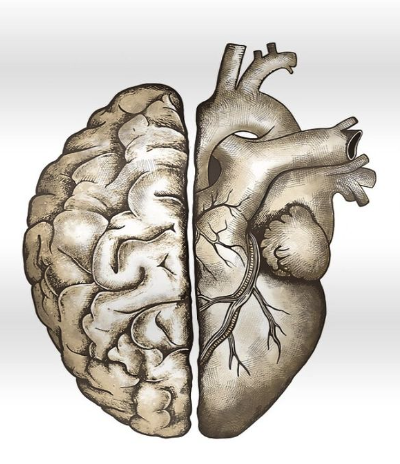
Head (Cognitive Learning):
Involves intellectual skills such as critical thinking, analysis, and problem-solving.
Focuses on acquiring knowledge, understanding concepts, and mastering skills.
Relies on logic, reason, and systematic processes.
Traditional academic subjects, such as mathematics, science, and literature, often fall under this category.
Heart (Affective Learning):
Encompasses emotions, values, beliefs, attitudes, and feelings.
Prioritizes the development of empathy, compassion, self-awareness, and interpersonal skills.
Emphasizes the importance of understanding oneself and others.
Often involves experiential learning, where students engage in activities that foster personal growth and emotional development.
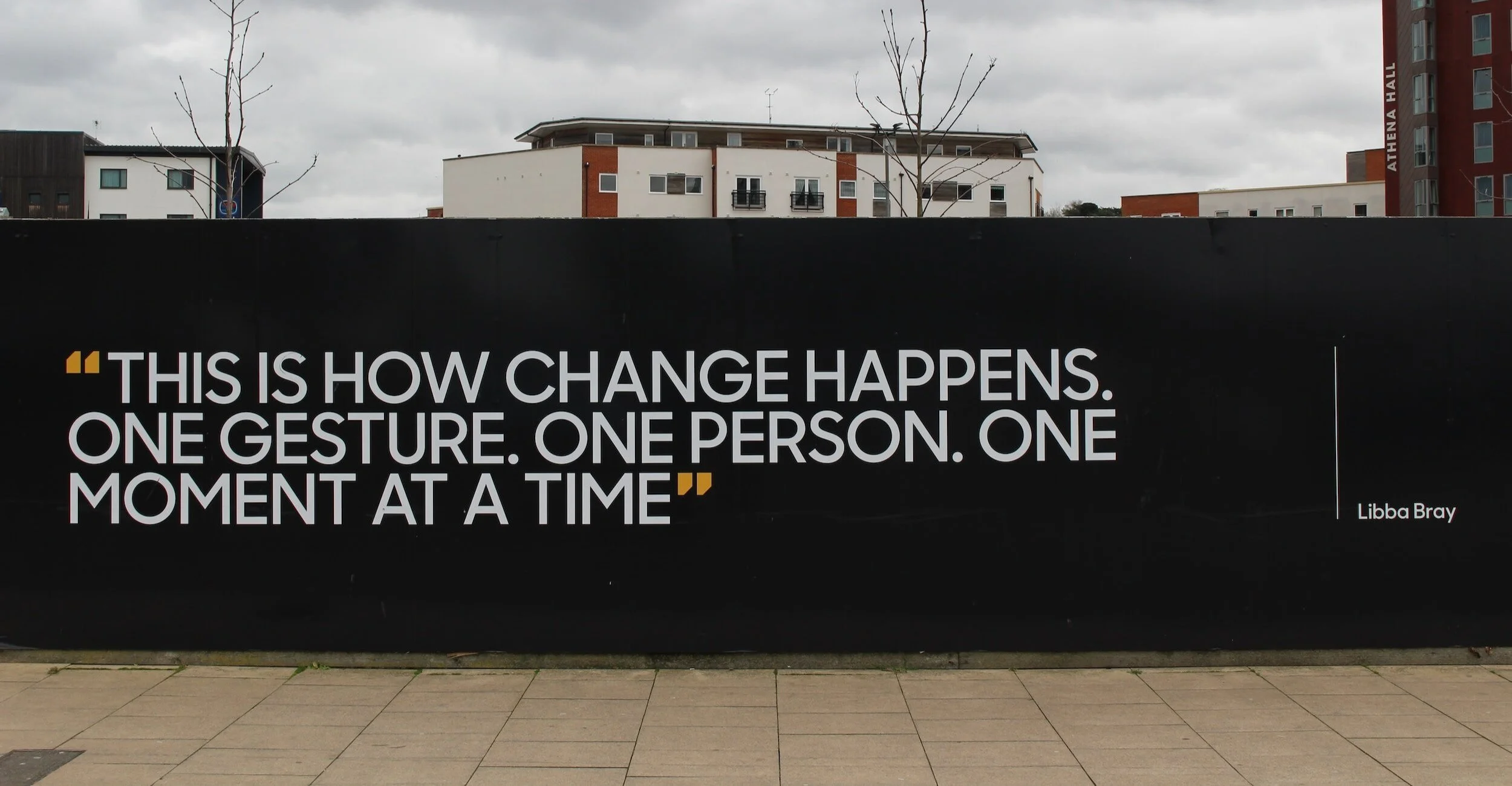
Homework: Talk to a trusted person about what you’ve been learning in How To Ally
Reflection Questions:
As you dive into this work, which identities do you think about the most? Least? Which identities do you want to learn more about?
How did it feel to talk with someone else about what I'm learning about in How to Ally? How was this conversation received? What were the feelings before, during, after? What was easy? What was challenging?
How have I noticed and named emotions as I engaged in these learning and conversations? What did this feel like? What conditions do you require to engage in safer or braver spaces for these conversations moving forward?

Let’s create safer and braver spaces together
There is a benefit to both safe and brave spaces; they go in tandem. Safe spaces are important for bridge building by bringing in and holding community. Brave spaces ask us to tap in deeper, and ask folks to model vulnerability and be in authentic expression with a trusted community.
We need both spaces to sustain our advocacy efforts, rest, and do our own healing as leaders. Keosha shares that brave spaces are about challenging others' expectations of how they want us to show up and rejecting societal expectations and assumptions of how to lead and make change.
Safer and braver spaces are an active commitment. We can’t assume they are always safe; we have to actively create these conditions, check-in, and make adjustments. Stephanie suggests using the language saf-er and brav-er to speak to this ongoing work.

Read & Reflect
Watch and Journal On:
What is coming up for you? Use your feeling wheel and let us know what is specifically coming up. We won’t ask to see your notes, so be as vulnerable as you can with yourself. We’ll ask for one or two volunteers to share what came up with us.
Heart: Which videos are uncomfortable to watch? Why or Why Not? What needs to be different in the videos for you to feel better about watching them? Note your feelings journey.
Head: What do you wish you better understood that was being said in the video?
Ground & Reset
Vibe & Unwind